
10 Signs Your Loved One Needs Home Health Care
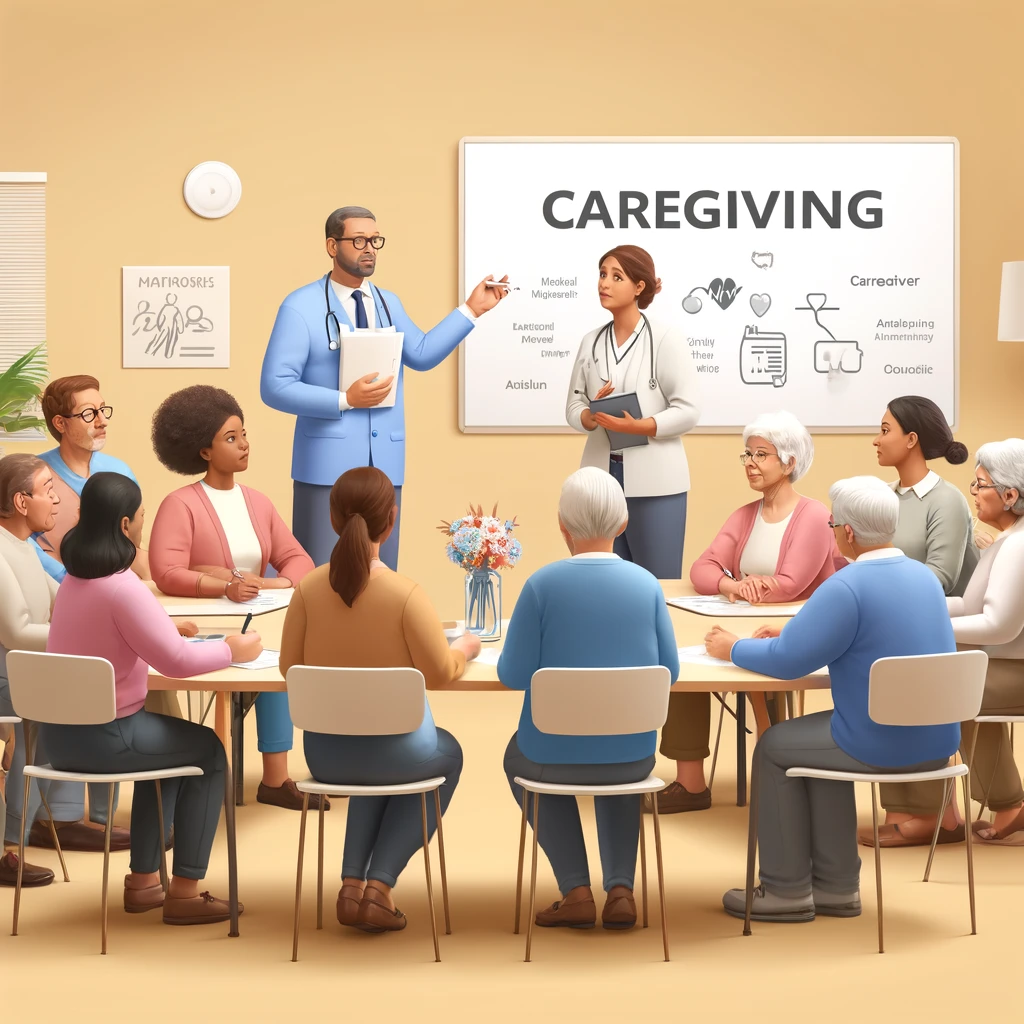
Deciding when a loved one needs professional help at home is one of the most difficult decisions families face. These ten warning signs can help you recognize when it's time to seek home health care services.
The Warning Signs
1. Difficulty with Daily Activities
If your loved one struggles with bathing, dressing, preparing meals, or other basic self-care tasks, they may benefit from professional assistance. These activities of daily living (ADLs) are essential for safety and dignity.
2. Frequent Falls or Near-Falls
Falls are a leading cause of serious injury in older adults. If you notice stumbling, unsteady gait, or actual falls, professional help can provide safety monitoring and physical therapy to improve balance.
3. Medication Management Issues
Missing doses, taking incorrect amounts, or confusion about prescriptions can have serious health consequences. Home health nurses can manage complex medication regimens and monitor for side effects.
4. Declining Personal Hygiene
Neglecting grooming, wearing the same clothes repeatedly, or showing signs of poor hygiene often indicates difficulty managing self-care—a clear sign that assistance is needed.
5. Weight Loss or Poor Nutrition
Unexplained weight loss, spoiled food in the refrigerator, or skipped meals suggest difficulty with meal preparation or loss of appetite that requires professional attention.
6. Worsening Chronic Conditions
If diabetes, heart disease, COPD, or other chronic illnesses are becoming harder to manage, skilled nursing care can help stabilize conditions and prevent hospital admissions.
7. Memory Problems or Confusion
Forgetting appointments, getting lost in familiar places, or showing signs of dementia warrant professional assessment and potentially ongoing supervision and care.
8. Caregiver Burnout
Family caregivers experiencing exhaustion, stress, or health problems of their own need respite care. Professional help prevents caregiver burnout and ensures quality care continues.
9. Recent Hospitalization
Post-hospital recovery often requires specialized care including wound management, IV medications, or rehabilitation therapy—services best provided by skilled professionals.
10. Social Isolation
Withdrawing from activities, losing interest in hobbies, or showing signs of depression may improve with regular professional visits that provide both care and companionship.
Taking the Next Step
If you've recognized several of these signs in your loved one, it may be time to explore home health care options. The good news is that early intervention can prevent emergencies, maintain independence, and significantly improve quality of life.
Start by consulting with your loved one's physician about their specific needs. Then contact a reputable home health agency for a free assessment. Medicare typically covers home health services when ordered by a doctor and deemed medically necessary—meaning there's often no financial barrier to getting the help you need.
Ready to Learn More?
Our compassionate team is here to answer your questions and help you determine if home health care is right for your family. We offer free consultations and can verify insurance coverage.
Schedule Free Consultation