

Key Takeaways
Why Caregiver Education Programs Matter
Essential Home Health Skills for Family Caregivers
Support from All Seniors Foundation
Prioritizing Caregiver Well-Being
Medically Reviewed
This content has been reviewed for medical accuracy by a board-certified physician
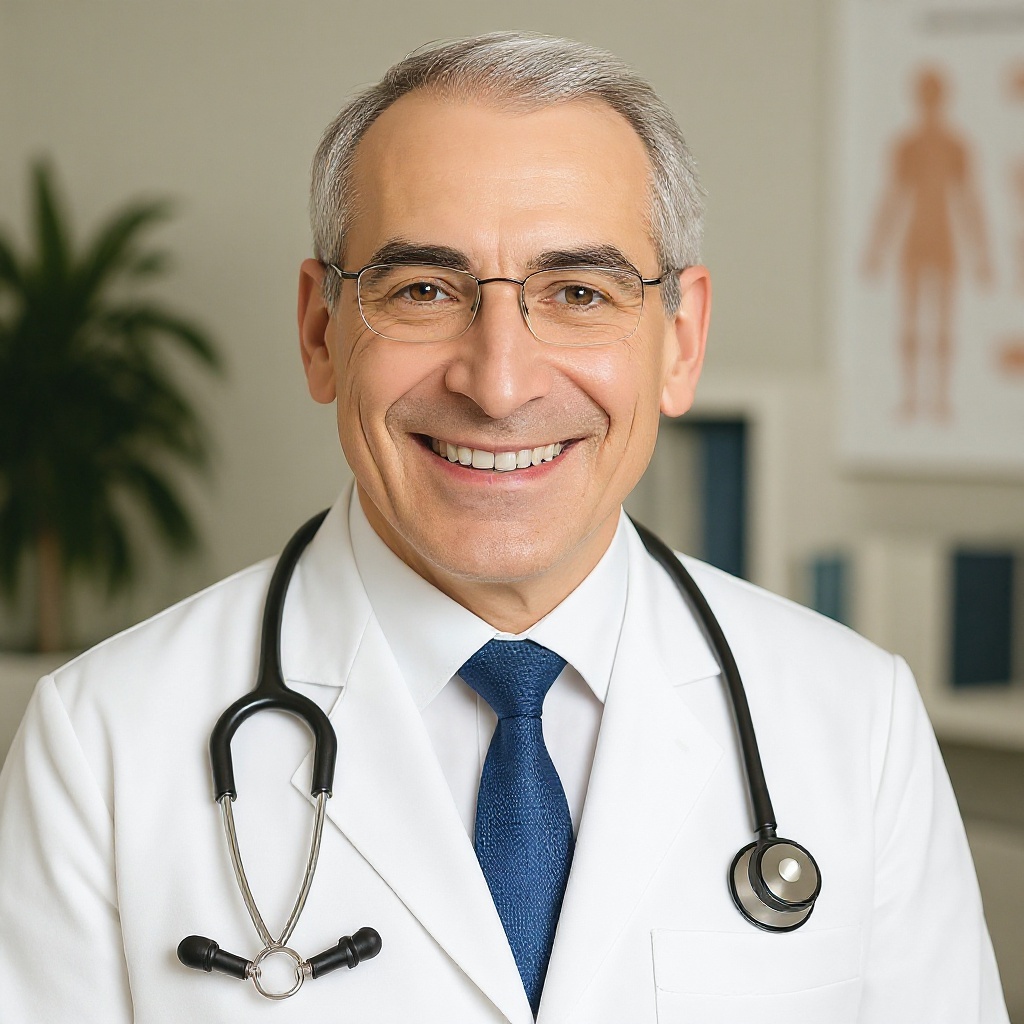
Medical Director & Physician
MD, Board Certified in Internal Medicine & Geriatrics
Our Commitment to Accuracy: All medical content is reviewed by licensed healthcare professionals to ensure accuracy and alignment with current medical knowledge and practice standards.
With over 63 million Americans now providing family care—a 50% increase since 2015—caregiver training 2025 has become more critical than ever. Despite 40% of caregivers performing complex medical tasks like administering injections or managing equipment, only 22% receive formal training. This gap puts both caregivers and care recipients at risk.
Why Caregiver Education Programs Matter
Family caregiver support through proper training makes a dramatic difference: 96% of caregivers who receive education feel well-prepared for their responsibilities. Medical task training covers essential skills including medication management, wound care, operating medical equipment, and recognizing emergency situations. Behavioral health training helps caregivers manage dementia symptoms, address anxiety and depression, and handle challenging behaviors with compassion.
Essential Home Health Skills for Family Caregivers
- Assistance with activities of daily living (ADLs) like bathing, dressing, and mobility
- Instrumental ADLs including meal preparation, medication reminders, and financial management
- Safe transfer techniques to prevent falls and injuries
- Infection control and hygiene practices
- Communication strategies for cognitive impairment
Support from All Seniors Foundation
All Seniors Foundation recognizes that trained caregivers provide better care. Our home health professionals offer hands-on caregiver education programs, teaching family members the skills they need while providing respite care to prevent burnout.
Prioritizing Caregiver Well-Being
Caregiver well-being is equally important as care recipient health. One in five caregivers reports poor health, and 30% need help managing emotional or physical stress. Training programs now include self-care strategies, stress management techniques, and resources for mental health support. Medicare reimburses providers for caregiver training, though adoption remains low—making it essential to ask your healthcare team about available programs.
As caregiving becomes more complex in 2025, comprehensive training transforms the experience from overwhelming to empowering, ensuring both caregivers and their loved ones thrive.
Ready to Get Started with Home Health Care?
Schedule a free assessment with our expert care team. We'll help you understand your options and create a personalized care plan.
Or call us at (818) 581-4101