
Key Takeaways
What Is Intergenerational Living?
Proven Benefits for Seniors
Models of Intergenerational Living
Creating Meaningful Connections
All Seniors Foundation's Community Integration
Medically Reviewed
This content has been reviewed for medical accuracy by a board-certified physician

Medical Director & Physician
MD, Board Certified in Internal Medicine & Geriatrics
Our Commitment to Accuracy: All medical content is reviewed by licensed healthcare professionals to ensure accuracy and alignment with current medical knowledge and practice standards.
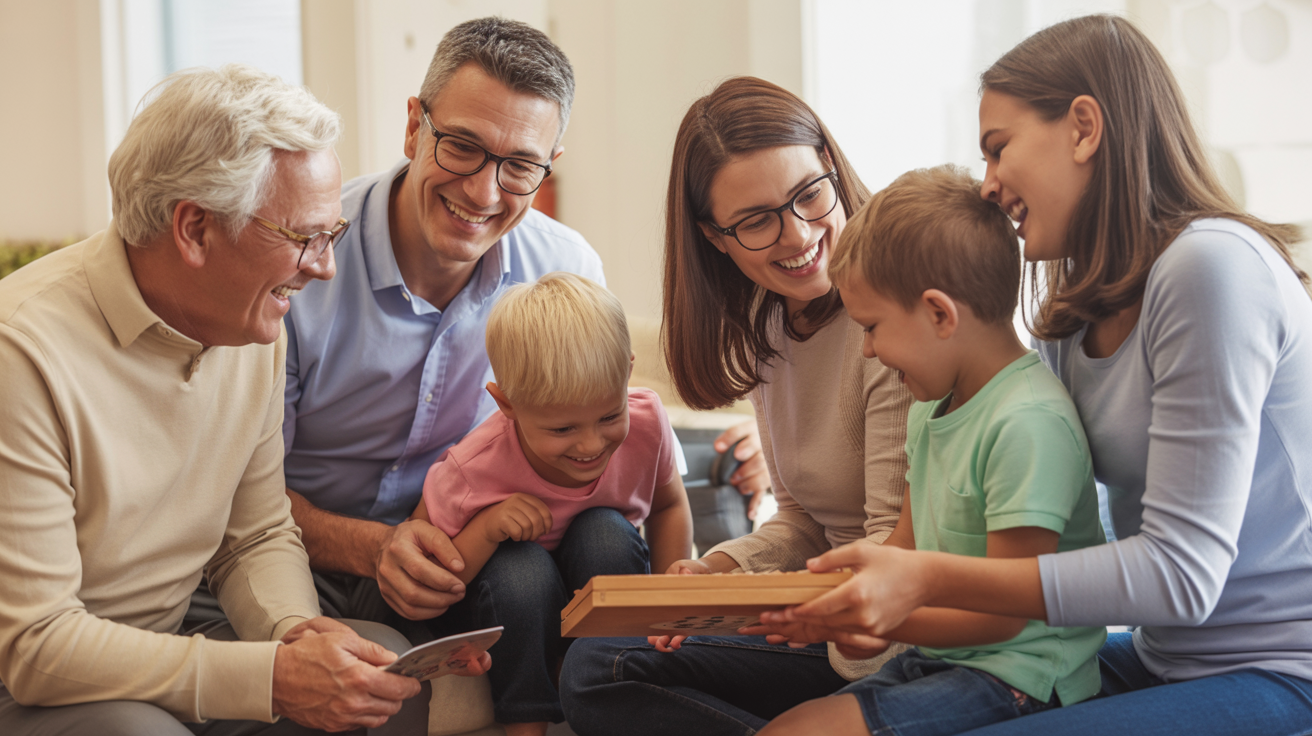
A growing trend in senior care is intergenerational living, where different age groups share spaces and experiences, creating vibrant communities that benefit everyone involved. This approach combats the isolation many seniors face while providing younger generations with wisdom, mentorship, and connection to their elders. Research shows that multi-age communities seniors participate in experience reduced loneliness, improved mental health, and enhanced sense of purpose.
What Is Intergenerational Living?
Senior intergenerational programs range from informal arrangements to structured communities. Some senior living facilities open their spaces to the public—coffee shops, fitness centers, dining venues, and farmers markets—creating natural opportunities for interaction. Others are designed on university campuses, allowing residents to take classes alongside younger students. Co-housing models intentionally mix age groups in shared living arrangements with private units and common spaces.
Proven Benefits for Seniors
The advantages of age-diverse housing are substantial. Seniors report increased socialization, reduced feelings of isolation, opportunities for lifelong learning, and a stronger sense of belonging. Interacting with younger people keeps seniors mentally engaged and physically active. Studies indicate that benefits intergenerational communities include improved cognitive function, better physical health, and higher life satisfaction scores compared to age-segregated environments.
Models of Intergenerational Living
Multigenerational senior housing takes various forms. Some communities feature daycare centers and playgrounds where residents can interact with children. Others include leased spaces for third-party gatherings, art galleries, or community events. University-based retirement communities (UBRCs) offer educational opportunities and cultural events. Each model creates different touchpoints for meaningful cross-generational connections.
Creating Meaningful Connections
Successful cross-generational senior living requires intentional programming. Activities might include mentorship programs where seniors share career wisdom, technology tutoring where younger people help seniors with devices, shared gardening projects, or collaborative art classes. These structured interactions complement spontaneous encounters in shared spaces, building genuine relationships across age divides.
All Seniors Foundation's Community Integration
All Seniors Foundation supports seniors interested in intergenerational living by connecting them with appropriate communities, facilitating program participation, and ensuring that care needs are met while seniors enjoy the benefits of age-diverse environments.
The business case for intergenerational living is compelling—it offers market differentiation, accelerates sales cycles, and can help repurpose less desirable units. But beyond economics, this model honors the reality that humans thrive in diverse communities where different generations learn from and support each other. As more communities embrace this approach, seniors have increasing opportunities to age in environments that celebrate connection rather than segregation.
Ready to Get Started with Home Health Care?
Schedule a free assessment with our expert care team. We'll help you understand your options and create a personalized care plan.
Or call us at (818) 581-4101