
Key Takeaways
Preventing Falls Elderly Face in Winter
Hypothermia Prevention Seniors Should Know
All Seniors Foundation Winter Support
Winter Wellness Older Adults Need
Medically Reviewed
This content has been reviewed for medical accuracy by a board-certified physician

Medical Director & Physician
MD, Board Certified in Internal Medicine & Geriatrics
Our Commitment to Accuracy: All medical content is reviewed by licensed healthcare professionals to ensure accuracy and alignment with current medical knowledge and practice standards.
Cold weather poses unique challenges for older adults, making winter safety tips seniors follow essential for health and well-being. From icy sidewalks to indoor heating concerns, winter months require extra precautions to prevent injuries and illness while maintaining quality of life at home.
Preventing Falls Elderly Face in Winter
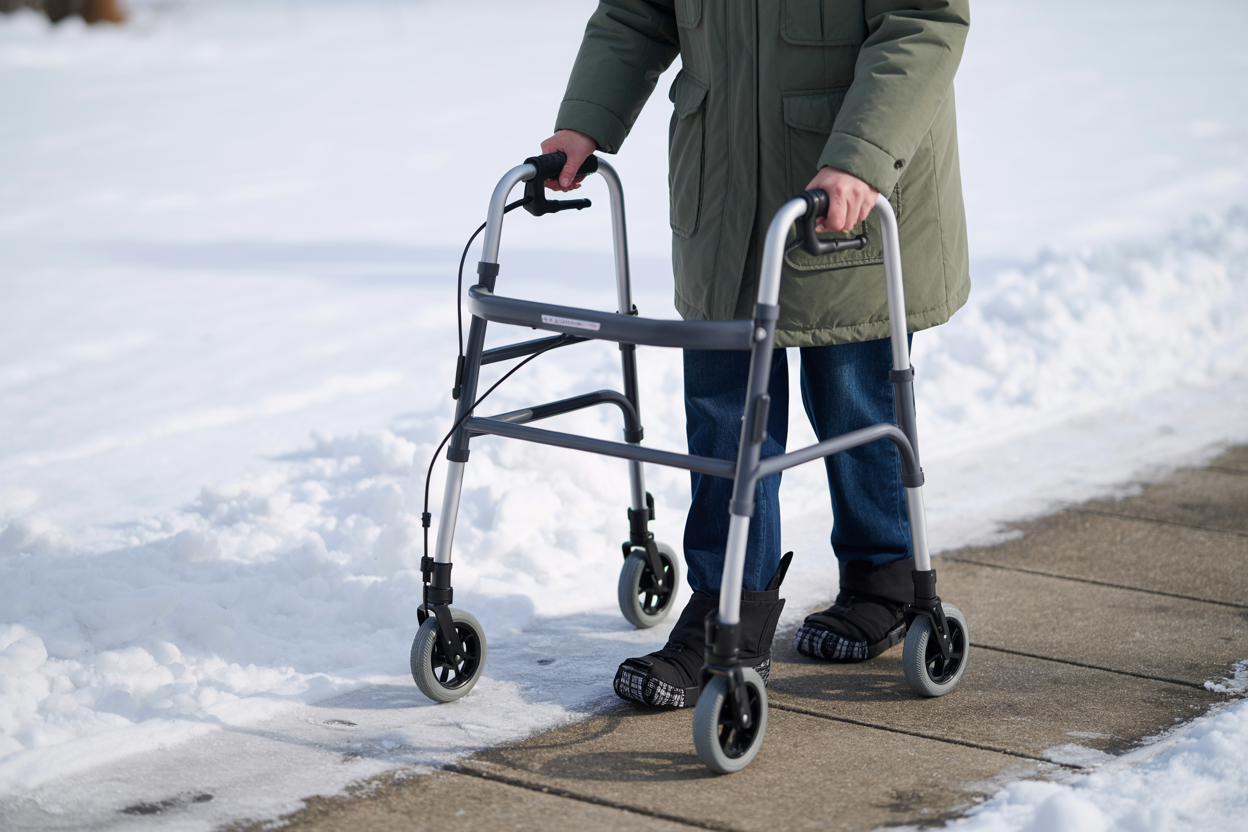
Icy surfaces are the leading cause of winter injuries for seniors. Wear footwear with non-slip soles and deep treads whenever going outside. Apply salt or sand to driveways, walkways, and steps before venturing out. Indoors, remove tripping hazards like loose rugs, ensure adequate lighting in all rooms and hallways, and install handrails on both sides of stairways. Consider carrying a mobile phone or wearing a medical alert device for quick access to help if a fall occurs.
Hypothermia Prevention Seniors Should Know
Older adults are more susceptible to hypothermia because aging reduces the body's ability to regulate temperature. Keep your home thermostat set to at least 68-70°F, and use space heaters safely in rooms you occupy most. Dress in layers starting with moisture-wicking fabrics, adding insulating materials like wool or fleece, and finishing with a waterproof outer layer when going outside. Don't forget hats, scarves, gloves, and warm socks—significant heat loss occurs through the head and extremities.
All Seniors Foundation Winter Support
All Seniors Foundation provides seasonal safety home care including regular wellness checks, assistance with winter preparedness tasks, meal preparation with warming nutritious foods, and medication management to ensure chronic conditions remain controlled during cold weather.
Winter Wellness Older Adults Need
- Get vaccinated against flu, COVID-19, pneumonia, and RSV before winter peaks
- Stay hydrated with water, herbal teas, and warm soups even when not feeling thirsty
- Maintain indoor physical activity through stretching, chair yoga, or walking around the house
- Eat nutritious meals rich in vitamins from winter vegetables like carrots, sweet potatoes, and squash
- Combat seasonal depression by spending time near windows, using light therapy, and staying socially connected
Senior cold weather health requires proactive planning and support. With proper precautions and assistance when needed, older adults can enjoy winter safely and comfortably in their own homes.
Ready to Get Started with Home Health Care?
Schedule a free assessment with our expert care team. We'll help you understand your options and create a personalized care plan.
Or call us at (818) 581-4101